
The literary landscape is shifting beneath our feet. For decades, when readers thought of Latin American or Latinx literature, their minds immediately went to magical realism. The towering legacy of the Latin American Boom in the 1960s and 1970s cemented a specific style of storytelling in the global consciousness. However, a new and thrilling movement is taking hold. We are currently witnessing a massive surge in Latinx horror and speculative fiction.
This new wave of storytelling is dark, unflinching, and deeply rooted in cultural truths. Writers are moving beyond the expected narratives of immigration or assimilation. Instead, they are using the supernatural, the terrifying, and the speculative to explore complex themes of identity, generational trauma, and systemic injustice. Authors like Mariana Enríquez, Silvia Moreno-Garcia, and Samanta Schweblin are leading this charge, proving that our cultural folklore holds immense power when viewed through the lens of horror and fantasy.
For emerging writers, this boom represents an incredible opportunity. The market is hungry for authentic voices that can weave traditional myths into contemporary settings. If you have ever wanted to write a story where the monsters of your childhood bedtime stories confront the very real monsters of modern society, there has never been a better time to start.
The Evolution from Magical Realism to Modern Horror

Magical realism has long been the defining characteristic of our literary tradition. It is a beautiful genre that treats the extraordinary as mundane, allowing for a seamless blend of reality and myth. Yet, as the world has grown more complex and often more frightening, our storytelling has adapted. The transition from magical realism to modern horror is not a rejection of our past, but rather an evolution of it.
Many contemporary Latinx horror stories are initially misclassified as magical realism simply because they contain paranormal elements. However, the intent behind these stories is fundamentally different. While magical realism often seeks to enchant or explain, horror seeks to unsettle. It forces the reader to confront uncomfortable truths. Today’s writers are utilizing this genre to showcase everyday horrors that plague our communities.
For instance, novels and short stories are now tackling subjects like femicide, environmental destruction, and political violence through a speculative lens. By wrapping these harsh realities in the cloak of the supernatural, authors can explore trauma in a way that is both accessible and profoundly impactful. Furthermore, the increasing translation of these works into English is opening up a massive new readership, proving that these culturally specific fears resonate on a universal level. You can learn more about how authors are expanding the narrative of Latinx literature beyond traditional boundaries.
Key Themes in Latinx Speculative Fiction
Understanding the core themes driving this literary movement is essential for any writer looking to enter the space. The most successful Latinx horror and speculative fiction does not just rely on jump scares or generic tropes. It digs deep into the cultural psyche to unearth fears that are uniquely ours.
Reclaiming Cultural Folklore and Mythology
Our cultures are rich with oral traditions, ghost stories, and cautionary tales. For generations, figures like La Llorona, El Cuco, or the Chupacabra have been used to frighten children into obedience. Modern speculative fiction writers are reclaiming these figures, stripping away the caricatures, and presenting them as complex entities.
When writing your own stories, consider how you can adapt traditional myths with a fresh perspective. Rather than simply dropping a famous monster into a modern city, think about what that monster represents. What societal anxiety birthed the legend in the first place? By answering these questions, you can create narratives that honor the original folklore while speaking directly to contemporary fears. This approach is crucial when exploring the role of culture in Latinx storytelling.
Addressing Generational Trauma and Social Injustice
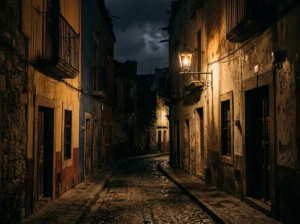
Horror has always been a powerful vehicle for social commentary. In Latinx speculative fiction, this often manifests as an exploration of generational trauma. The ghosts in our stories are rarely just restless spirits; they are the echoes of colonization, displacement, and systemic oppression.
Using horror as a lens allows writers to examine historical and contemporary traumas without being overly didactic. A haunted house might represent the lingering effects of a dictatorship, while a monstrous transformation could symbolize the loss of cultural identity. When you blend the supernatural with systemic issues, you create a story that lingers in the reader’s mind long after the final page is turned.
Crafting Your Own Latinx Horror Narrative
If you are inspired to contribute to this growing genre, there are specific craft techniques that can elevate your writing. Writing effective horror requires more than just a scary premise; it demands careful attention to atmosphere, pacing, and worldbuilding.
Making the Setting a Character
In folk horror and culturally specific speculative fiction, the setting is never just a backdrop. The environment must feel alive, oppressive, and deeply intertwined with the narrative. Whether your story takes place in a bustling metropolis, a remote village, or a border town, the location should dictate the rules of the horror.
To achieve this, ground your supernatural elements in specific, culturally rich locations. Use sensory details to bring the setting to life. Describe the oppressive heat, the smell of specific foods, or the sound of local music. When the setting feels authentic and lived-in, the horror that invades it becomes significantly more terrifying. For more tips on building your craft, check out our guide on building a Latinx writer’s toolkit.
Blending the Everyday with the Paranormal
The most effective Latinx horror often starts in a place of complete normalcy. The transition from the mundane to the terrifying should be gradual, almost imperceptible at first. This technique borrows heavily from our magical realism roots, where the supernatural is treated as a fact of life.
Focus on seamlessly integrating magical or horrific elements into everyday reality. A character might casually mention a protective ritual before making their morning coffee. By treating the paranormal with a sense of mundane acceptance, you lower the reader’s defenses, making the eventual scares much more effective. Always ensure your worldbuilding rules remain consistent, even when the world itself is falling apart. You can find excellent advice on writing speculative fiction from the Science Fiction and Fantasy Writers Association.
Essential Reading for Aspiring Speculative Fiction Writers

To truly master this genre, you must read the authors who are currently defining it. Studying their work will provide invaluable insights into pacing, tone, and the integration of cultural elements.
Consider picking up collections like Things We Lost in the Fire by Mariana Enríquez, which masterfully blends Argentine history with visceral horror. Silvia Moreno-Garcia’s Mexican Gothic is a perfect example of how to transplant classic gothic tropes into a distinctly Latin American setting. For those interested in young adult speculative fiction, Aiden Thomas’s Cemetery Boys offers a brilliant mix of paranormal romance and cultural celebration. You can explore more about the boom of Latin American horror in this insightful article from Book Riot.
Analyze how these authors build tension. Note how they introduce cultural specificities without over-explaining them to the reader. By dissecting their techniques, you can refine your own approach to writing Latinx horror.
The rise of Latinx horror and speculative fiction is not just a passing trend; it is a vital expansion of our literary voice. We are proving that our stories can be terrifying, magical, and profoundly relevant all at once. Embrace your cultural heritage, dig into the dark corners of your imagination, and start writing the speculative narratives only you can tell. The world is ready to be haunted by our stories.